Archive for October, 2010
Artisan’s Asylum: Wrong Trousers
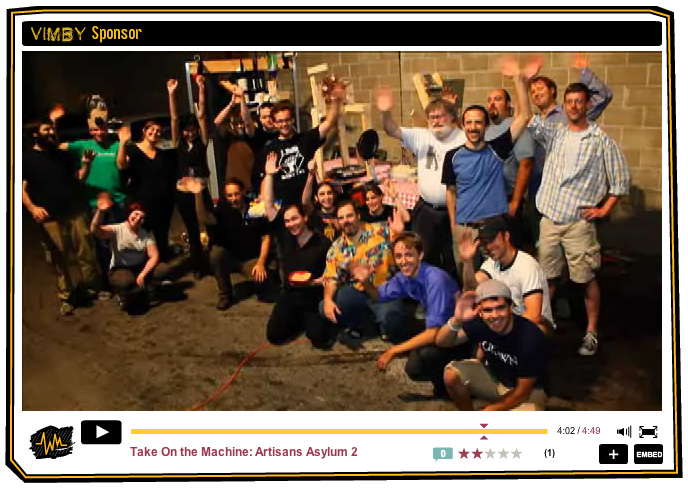
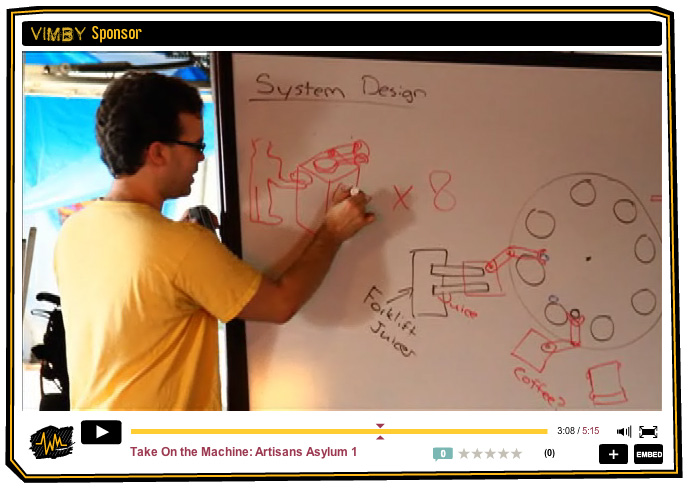
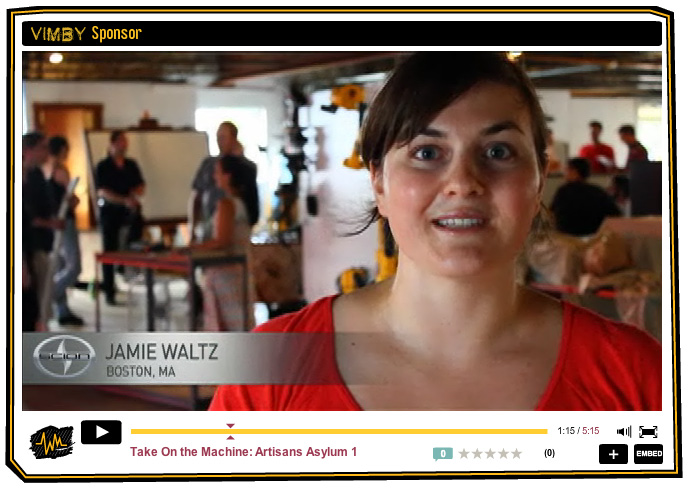
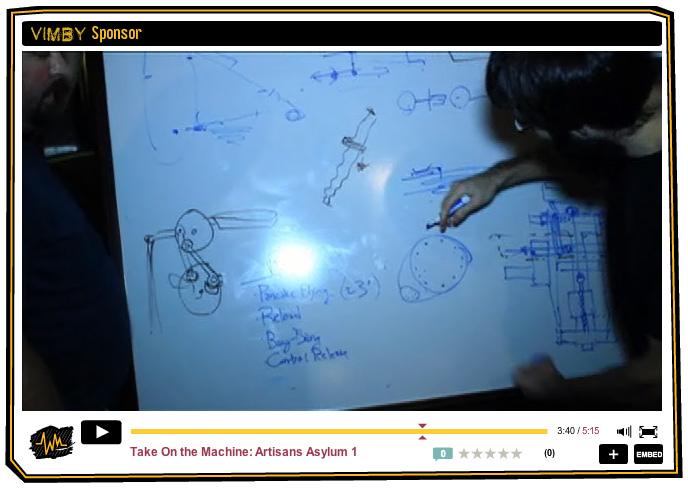
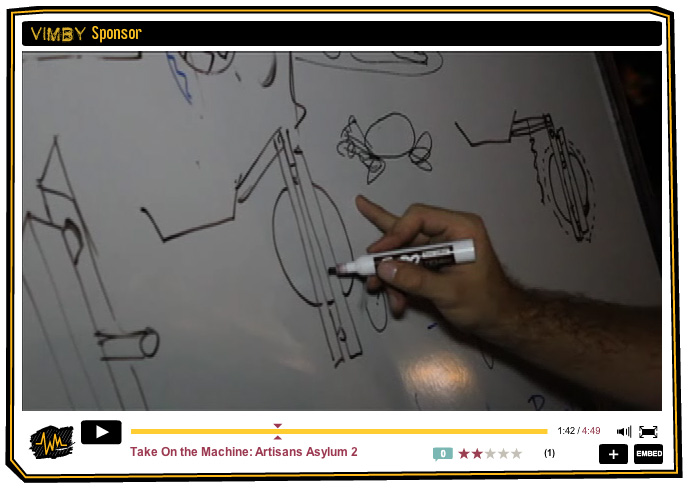
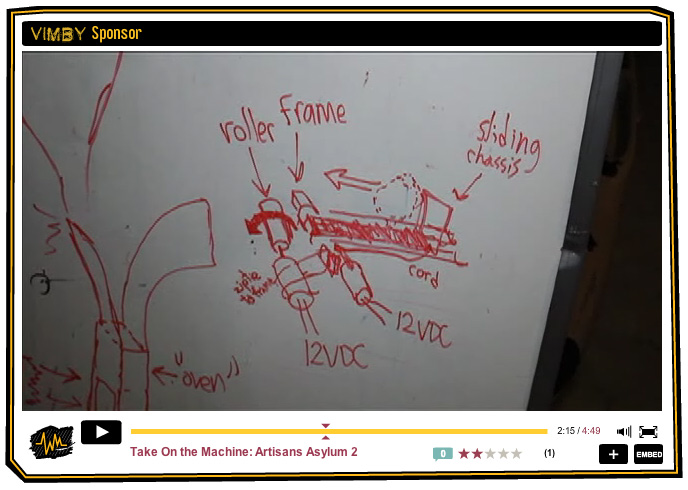
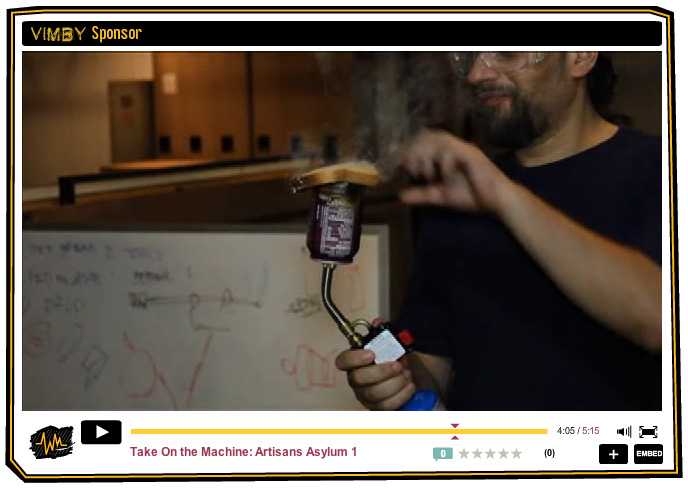
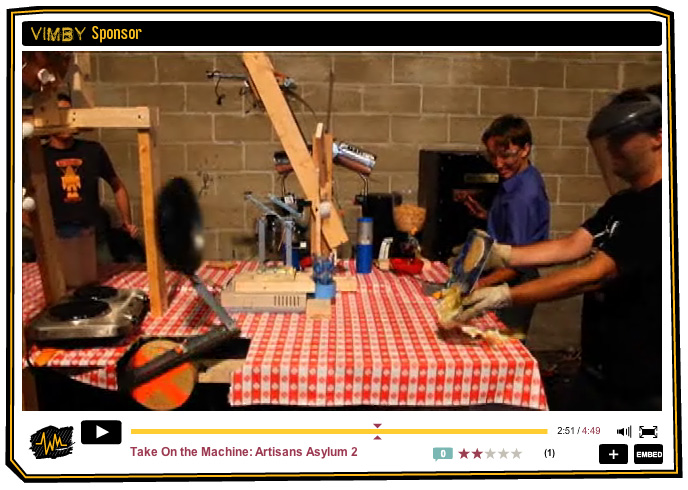
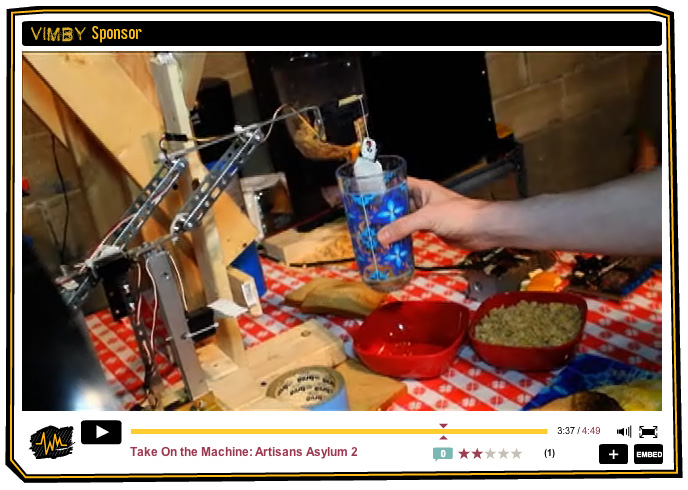
Artisan’s Asylum, our competitor to the north (Boston), has entered the race with pancakes and eggs!
Watch their episodes:
http://www.vimby.com/video/sponsor/us/all/detail/10935
http://www.vimby.com/video/sponsor/us/all/detail/10936
- Artisan’s Asylum Members
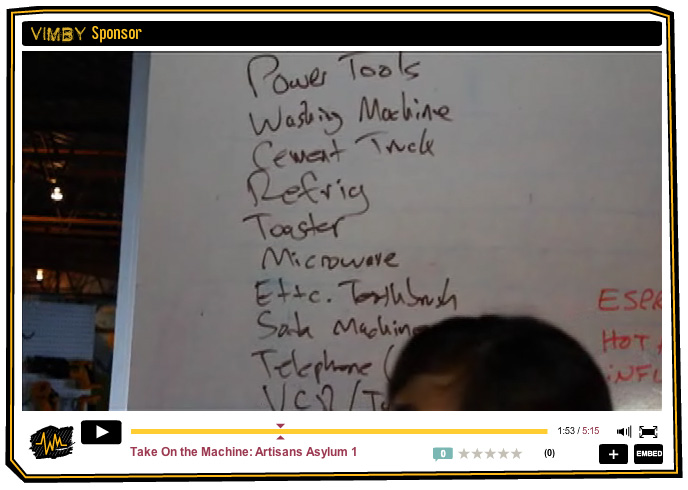
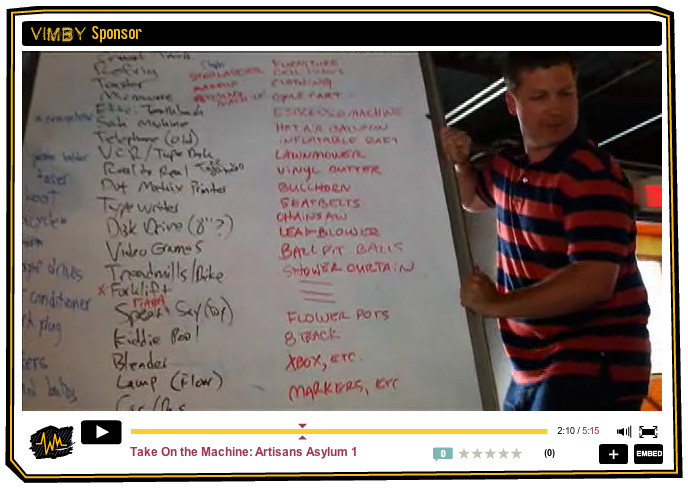
- Whiteboard Tool List
- Lists
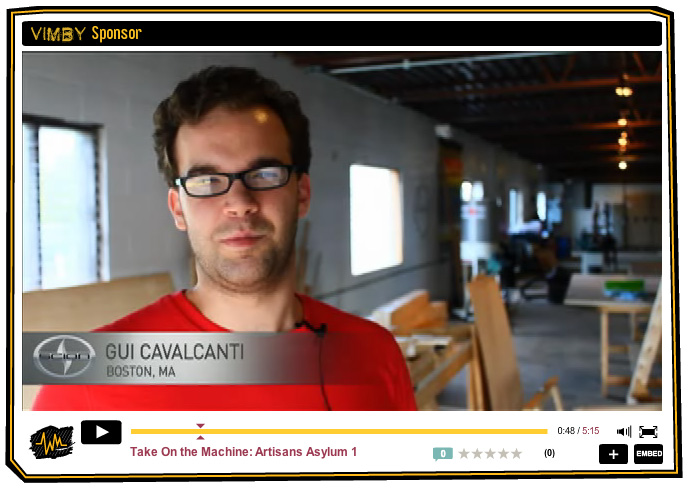
- Gui Cavalcanti
- Whiteboard Drawings
- Jamie Waltz
- Whiteboard Ideas
- Whiteboard Plans
- David Stokes
- Whiteboard Sketch
- Hot Toast
- Flying Pancakes
- Tea Maker
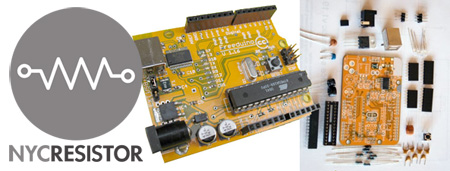
Arduino/Soldering 101 – Make your own Arduino and Learn to Program it!
This is your friendly introductory class to soldering and micro-controllers. In this three-hour class we will:
- Solder together a Freeduino board (an Arduino Duemilanove-compatible board)
- Learn how to program it using the Arduino environment
- Wire up several circuits and load up code to read sensors and light LEDs
- Cover variables, functions, basic Arduino functionality
- Show you how to get more help in the future for all your projects
When you leave, you’ll have a micro-controller, a mini-USB cable, a power supply and a few programs to play with.
The class will be taught by NYC Resistor members Jon Santiago & Kellbot.
Please bring a laptop with the Arduino environment on it. It’s available at http://arduino.cc/en/Main/Software.
Click here to sign up at EventBrite.
No commentsEyebeam’s Laser Cutter Fume Box
Laser Cutters are amazing wonderful tools, but they have a big downside: they create a lot of fumes, especially when cutting things like acrylic. So laser cutters have big filters, blowers, etc. to get rid of that smell. But the problem doesn’t stop there. When a piece of acrylic has been cut, it’ll stay warm for a bit and continue to off-gas. So if you take that freshly cut piece of acrylic out of the laser cutter, then the fumes will fill up the space where the freshly cut pieces are.
At Eyebeam, they have a clever hack to help with this problem. Its a box that is also hooked up the filter/blower where you can put your freshly cut pieces until they stop fuming away.
1 commentlibpd: An embeddable sound engine for Android, iOS, C, Java, and more
libpd has reached a 0.1 release, enabling developers to use Pd as a sound engine in their applications. Out of the gate, we have extensive code samples for Android 1.5 and later, plus the basic tools to work on iOS (recent armv7 recommended for now, with other devices soon). In the near future, embedding Pd patches inside tools like Processing/Java, OpenFrameworks/C++, and Python should be just as easy. The library is based on Pd vanilla, so this is not a fork of Pd; you can use patches in it just as you would in any other version.
Developers will find the library, code snippets (for Android; iOS is coming), and even some handy abstractions:
http://gitorious.org/pdlib/
To learn more:
Article on the release at createdigitalmusic:
http://bit.ly/libpdishere
Group for discussing Pd on mobile, embedded, and using libpd:
http://noisepages.com/groups/pd-everywhere/
End users with Android phones or tablets can try out packages now:
http://gitorious.org/pdlib/pages/Packages
… in addition to patches from Chris detailed in the CDM post above.
libpd available is thanks to the work of Peter Brinkmann, with testing, further development, documentation, and other contributions from the RjDj team (who are now adopting it in their future development work), Hans-Christoph Steiner, Chris McCormick (who has also added the ability to make HTML5 web interfaces), and Peter Kirn, along with members of the NYC Patching Circle at NYC Resistor.

1 commentCrash Space: a Musical Close Encounter
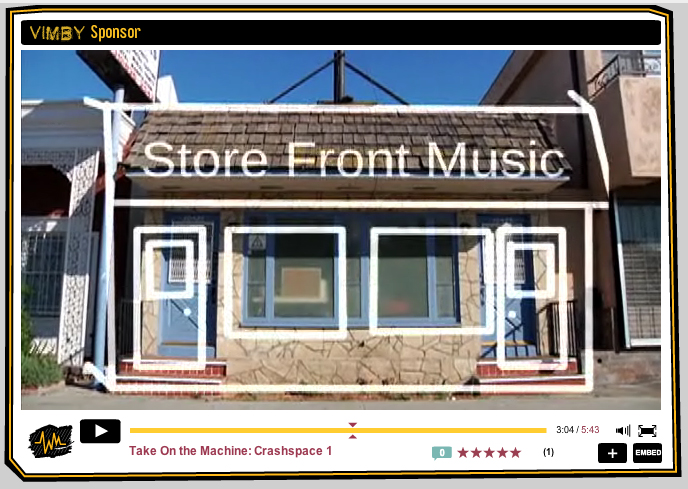
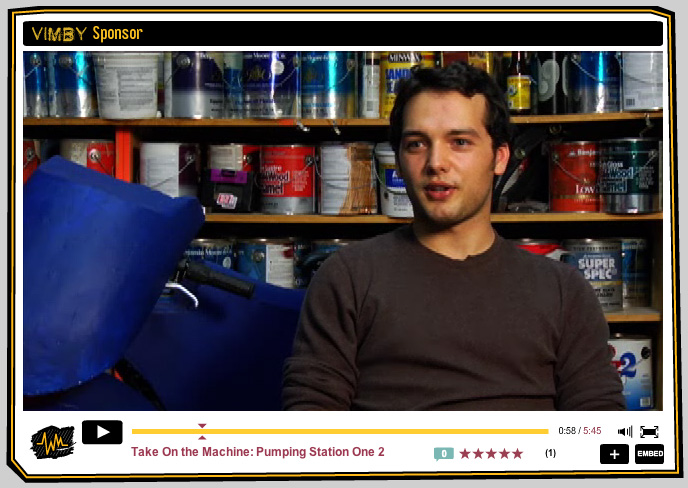
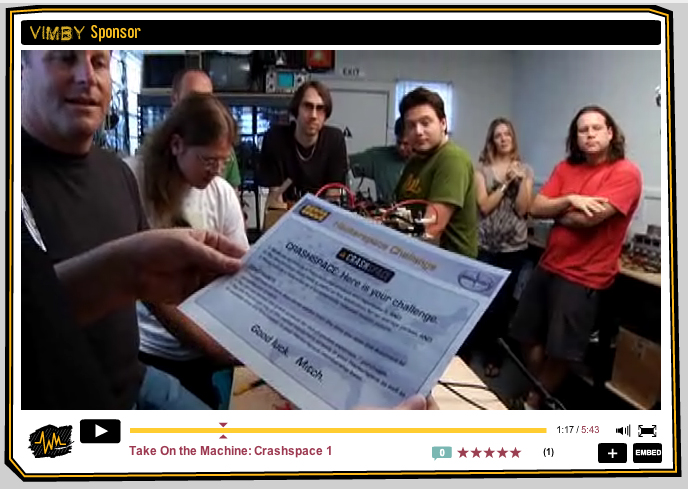
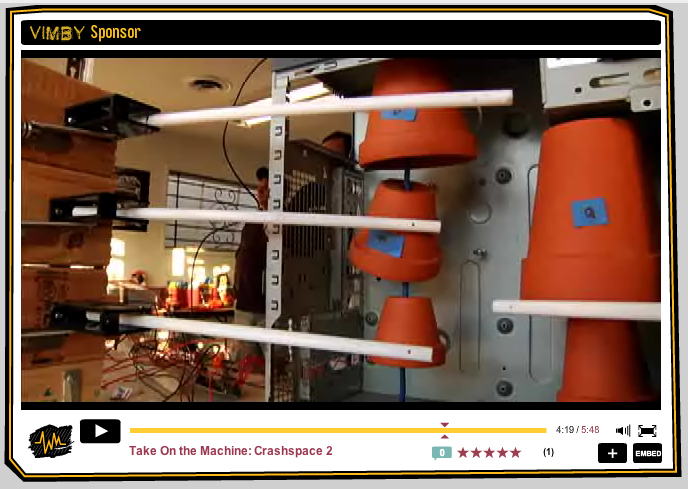
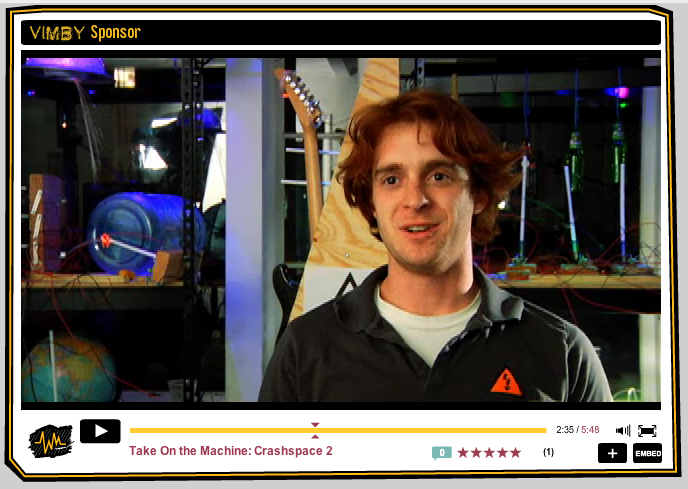
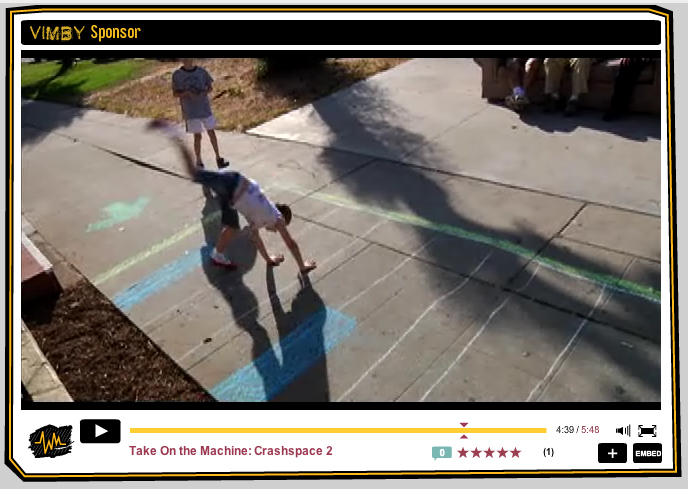
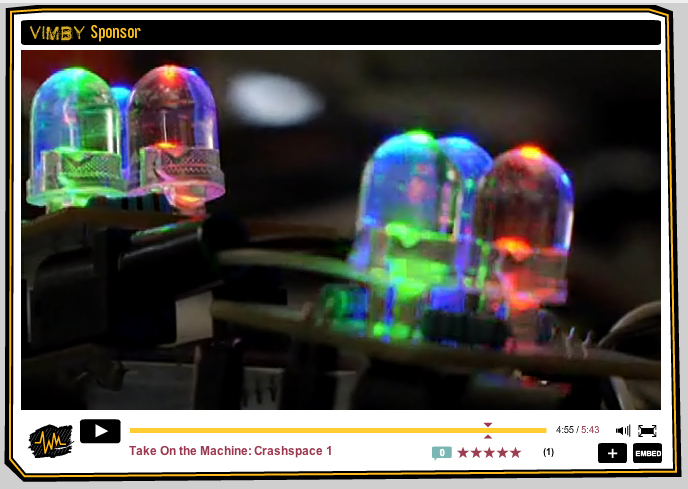
Crash Space is one of the 5 participating hackerspaces in the VIMBY/Scion hackerspace competition: Take on the Machine. Watch as they build a Close Encounter Music Machine.
- Crash Space Store Front
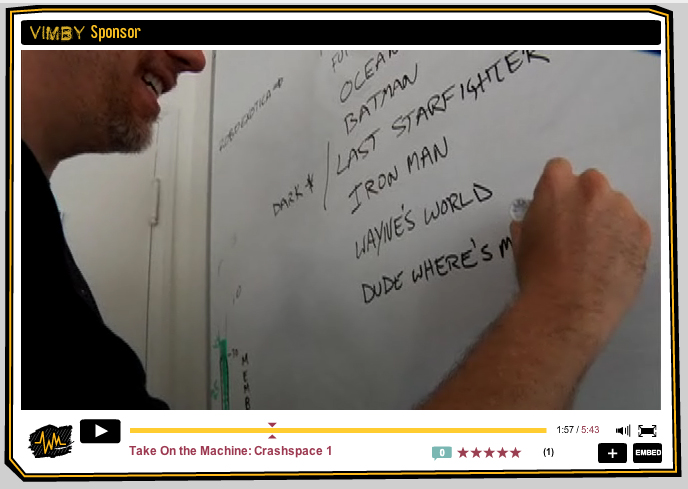
- Movie reference list
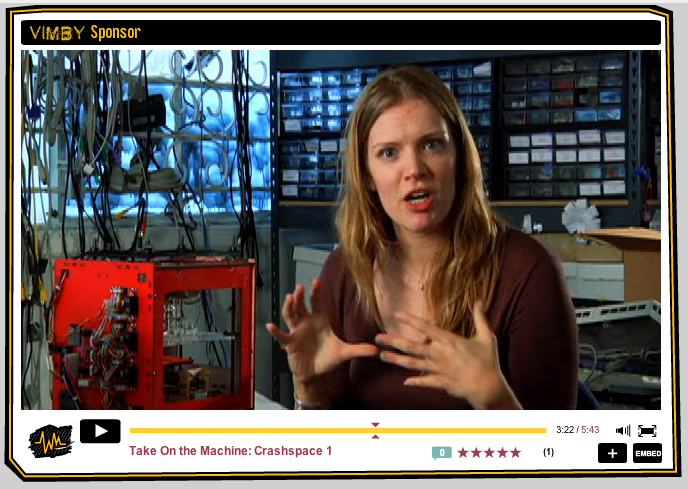
- Caryln Maw
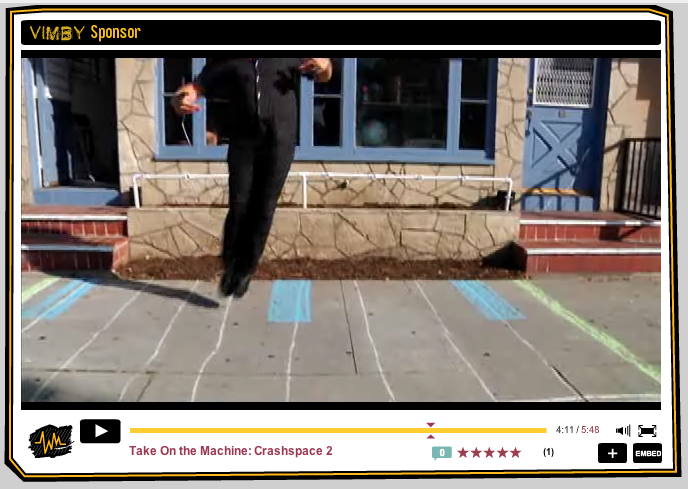
- Michael Clive hopping through sensors
- Three rules
- Musical clay pots
- Kevin Nelson
- Cartwheel on the chalk piano
- Music Actuated LEDs
Eyebeam hosting “The Great Urban Hack”
Eyebeam is organizing an interesting event to get hackers and journalists together to hack:
“Join Eyebeam Art + Technology Center & Hacks/Hackers NYC on Nov. 6 & 7 for The Great Urban Hack, a two-day, overnight, open-source hackathon that celebrates the city.”
http://eyebeam.org/events/the-great-urban-hack
No commentsPumping Station: One Making Tron Ice Cream
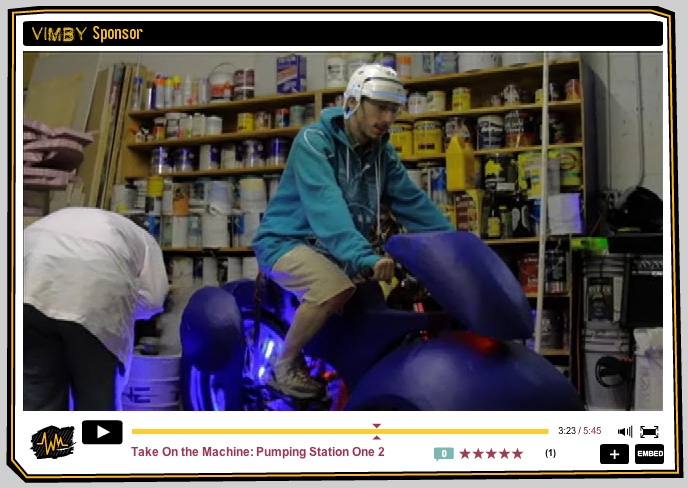
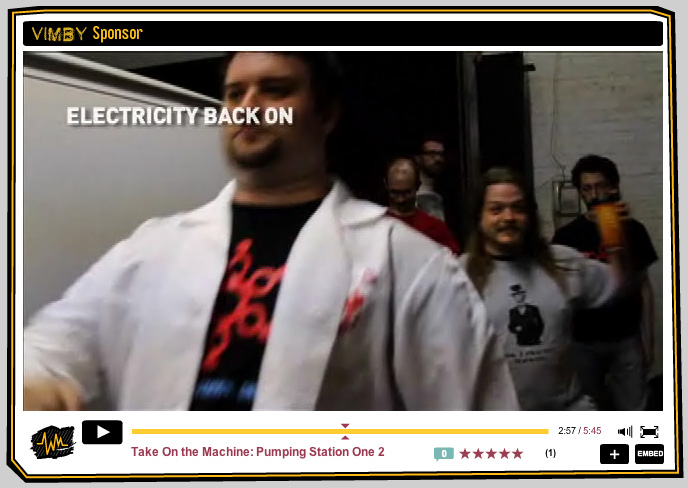
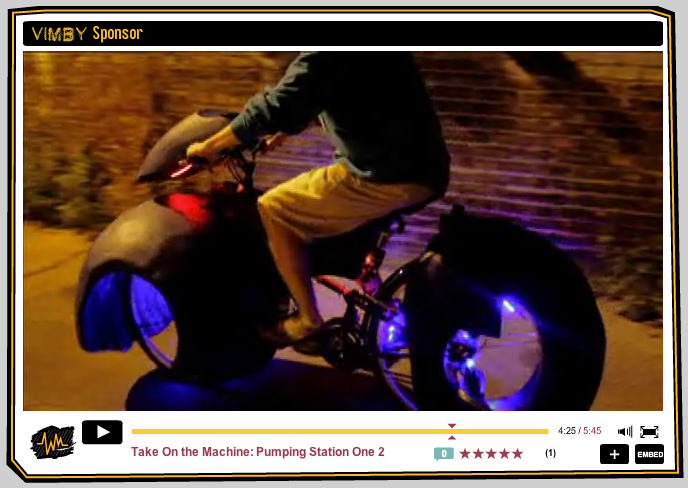
PS:1 built a Tron light cycle that makes GITD ice cream! Check their episodes out on VIMBY: Part 1, Part 2.
No commentsAtari 2600 Demo For the Win

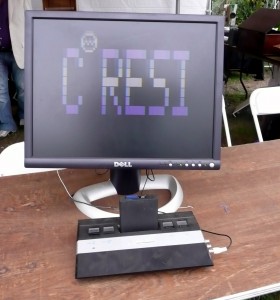
A few weeks ago, NYC Resistor had quite a showing at the first Worlds Maker Faire in Queens. We showed off a number of projects, including Ranjit’s MIDI Player Piano, Mr. Stabby, Raphael’s Twitchies, and Chris’s Cray-on-a-FPGA. One of the new projects shown was the NYC Resistor Atari 2600 demo, thrown together the night before by me, Ben Combee.
The hardware you see there has a few homebrew components. The console is an Atari 2600 Jr, the smaller version that was on sale in 1985 through 1990. I’ve installed an AV modification from The Longhorn Engineer to get composite, S-Video, and stereo audio outputs. The monitor is an older 21″ Dell unit that has composite inputs. The demo was running off a Harmony Cartridge, a very cool homebrew development board done by people at the AtariAge website. It lets you load a bunch of ROM images on a SD card and select which one to run at boot time. For the Faire, I used a special autorun mode where it would always immediately start with the demo instead of showing the menu.
The app wasn’t written directly in 6502 assembly. Instead, I used a great development tool called Batari Basic. It’s a BASIC language wrapper around the 2600′s hardware with prewritten display kernels. While you can’t do everything with it, it’s a great way to get an idea up and running on the system.
If you want to download the code or the binary to run in your 2600 emulator, it’s part of the NYC Resistor github depot along with many of our other projects.
2 commentsSaturday! Special Talk: Andrew Harris’ Autonomous Ocean Debris Sampler
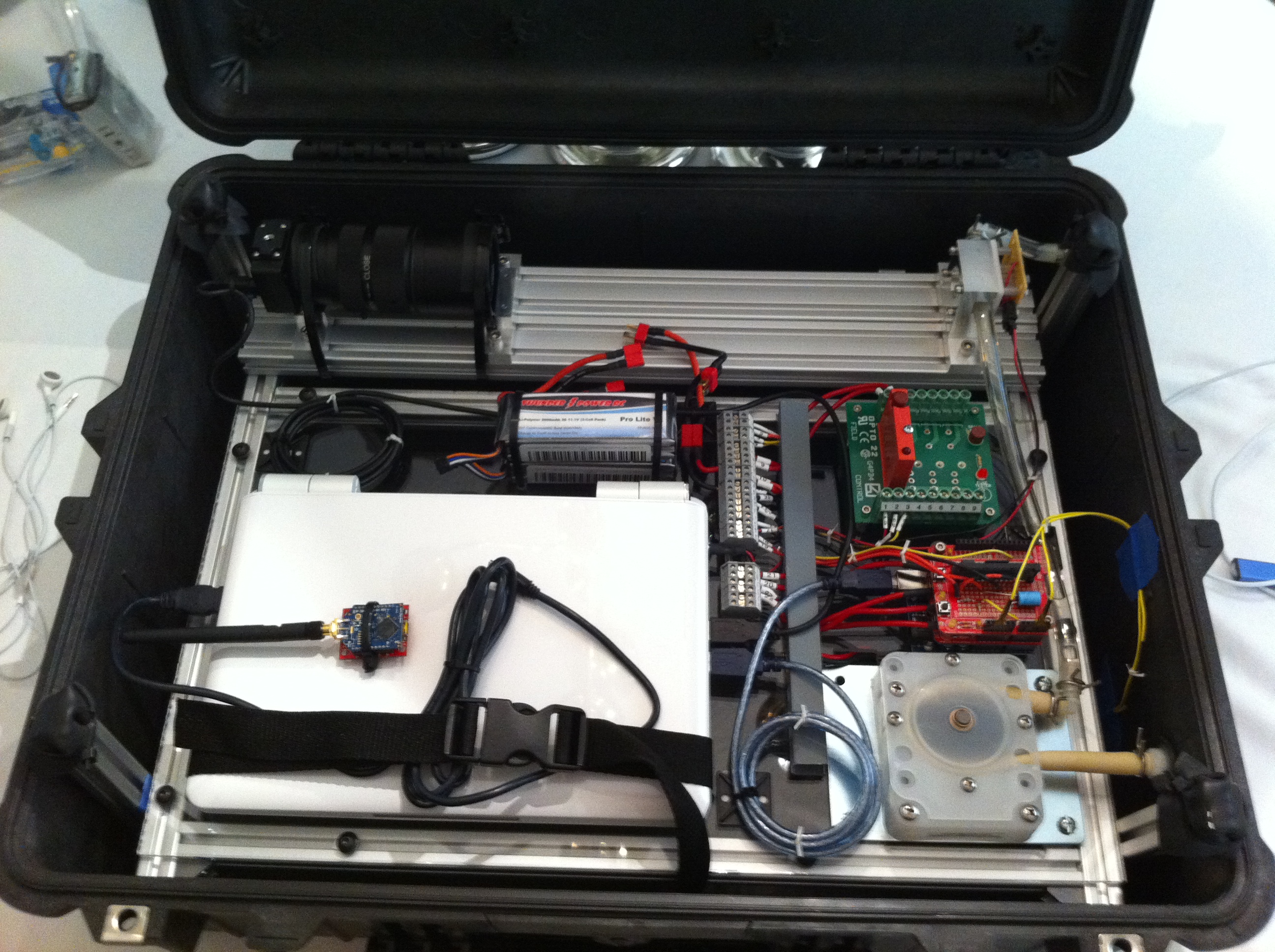
WHAT: Andrew Harris built this autonomous ocean sampler to survey the concentration of plastics in the North Pacific Gyre, a giant plastic trash pile circulating in the ocean between California and Hawaii. As the plastic degrades in the sunlight, it breaks up into ever smaller particulates ingestible by marine life. Andrew’s device samples these plastics using a combination of custom parts, off-the-shelf components, and the open source Robot Operating System. Come hear Andrew talk about his project at NYC Resistor!
WHEN: This Saturday, October 9th from 1pm to 2pm!
WHERE: NYC Resistor, 87 3rd Avenue, Brooklyn, NY
1 comment